THE PHRASE “YOU ARE WHAT YOU EAT” is most commonly associated with Victor Lindlahr, an American nutritionist who popularized it through his 1940s books and radio shows. Its origins, however, trace back to earlier thinkers. In 1825 French gastronome Jean Anthelme Brillat-Savarin wrote “Tell me what you eat and I will tell you what you are.”
Mark Twain said, “The only way to keep your health is to eat what you don’t want, drink what you don’t like, and do what you’d rather not.”
Food and exercise and health have been associated for some time, it appears. In this issue of MD-Update, we meet some Kentuckiana doctors and an APRN who deal with the consequences of what we eat and do, or don’t do.
It’s Official: Food Is Medicine
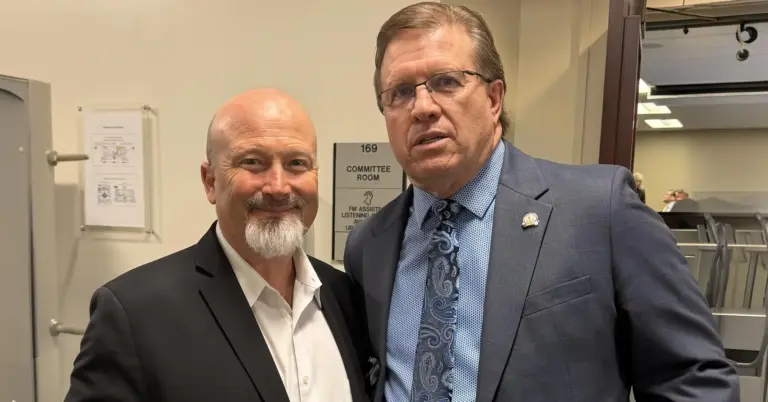
In rare bipartisanship action, the 2026 Kentucky General Assembly passed a JOINT RESOLUTION declaring Kentucky a “Food Is Medicine” state and directing state agencies to advance “Food is Medicine” initiatives. The resolution recognizes “the critical role of nutrition in preventing and managing chronic diseases and to promote the use of local food products in health care systems.”
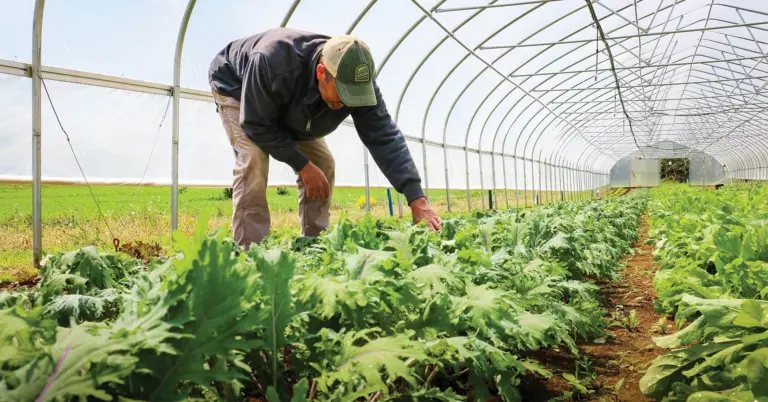
If you believe that food is medicine, you may be interested in what Kentucky organic farmers are doing to grow and provide clean and healthy food to Kentucky schools, grocery stores, restaurants, and farmer’s markets. Mac Stone, our friend and resident organic farm guru, writes a column about OAK, the Organic Association of Kentucky. Mac is a great storyteller. Give it a read on page 12.
Doctors in Action
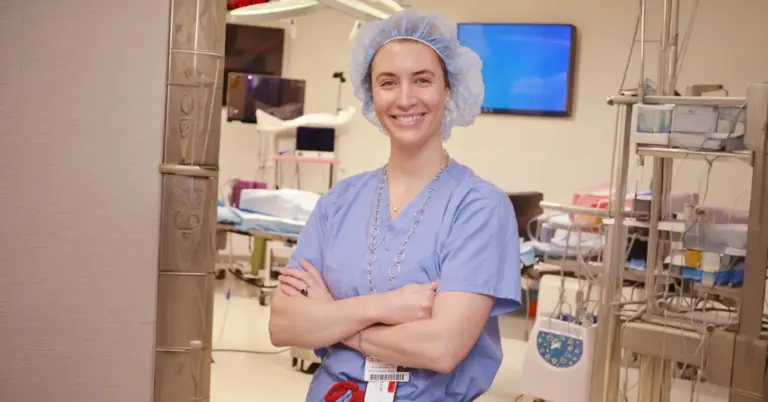
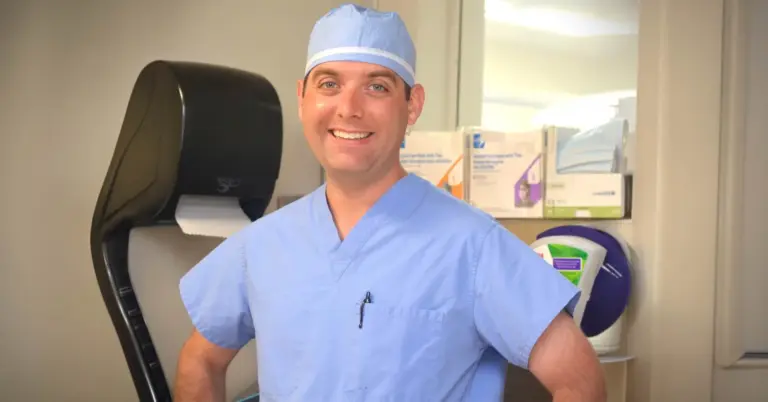
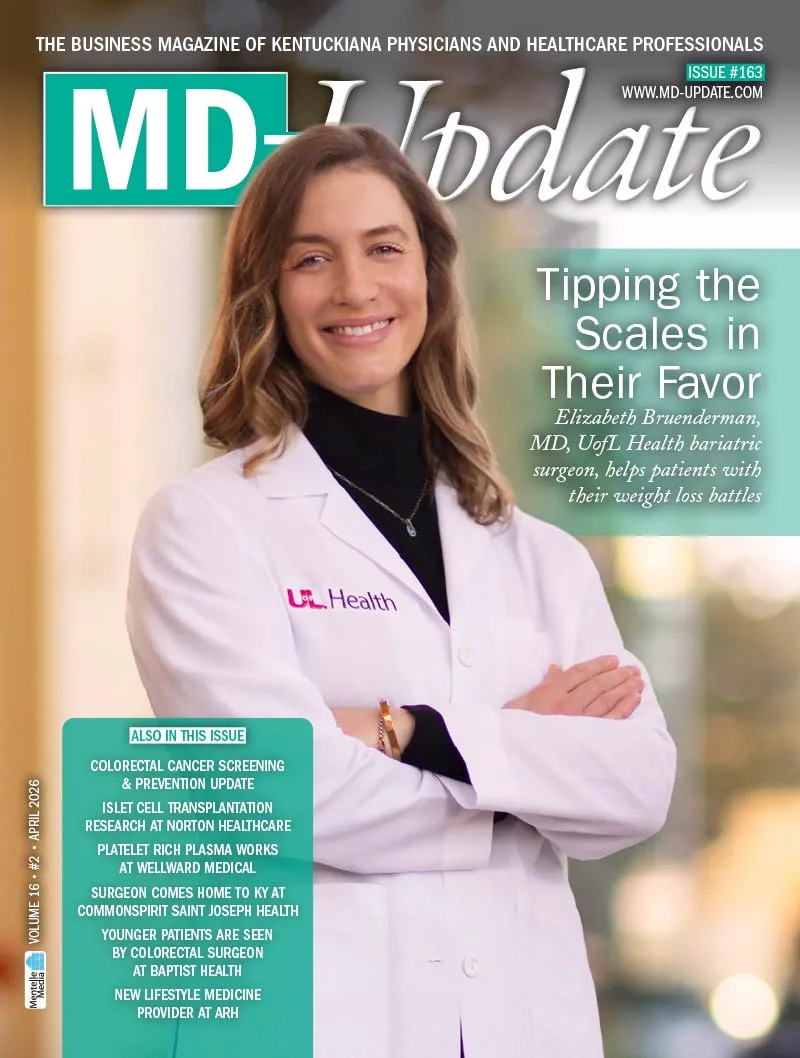
In our cover story, Dr. Elizabeth Bruendermann, and Special Section colorectal and general surgeons Sam Walling, MD, and Rebecca Douglass, DO, talk about their patients who need bariatric or abdominal surgery, often the result of an unhealthy diet or lifestyle choices. I want to thank both UofL Health and Baptist Health for allowing us to photograph Drs. Bruenderman and Walling at work in the OR, taking you, our readers, inside the room where it happens.
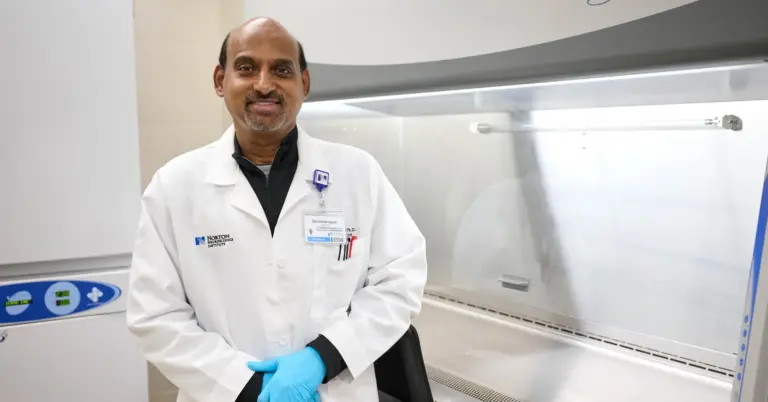
Curing diabetes with islet cell transplantation is happening at Norton Healthcare’s Wendy Novak Diabetes Institute and “laying the foundation for future therapies that could expand treatment options for people with type 1 diabetes,” says Kyle Bothers, MD. Read more about the work of Dr. Brothers and Dr. Bala on page 24.
Danesh Mazloomdoost, MD, medical director of Wellward Regenerative Medicine has worked with platelet-rich plasma (PRP) for years and seen positive results when it’s done correctly, he says. See what he means by that on page 28.
Whitney Jones, MD, founder of the Colorectal Cancer Prevention Project, William Evans, MD, and Laura Buchanan, MD, give us an update on colon screening statewide and the CCPP. Kentucky is leading the way, thanks to the CCPP and to Dr. Jones, a bold and tireless advocate.
Match Day Smiles
We have four pages of smiling 4th-year medical students on Match Day. The smiles are so joyful. Perhaps some of our physician readers remember their Match Day. I hope the photos on pages 36–39 bring back some fond memories.
The 2026 MD-Update editorial calendar is on the preceding page. When you see your specialty and you have a story to tell, contact me. If your specialty isn’t included, that’s another reason to reach out to me. I’m looking forward to hearing from you.
Until next time, all the best,