
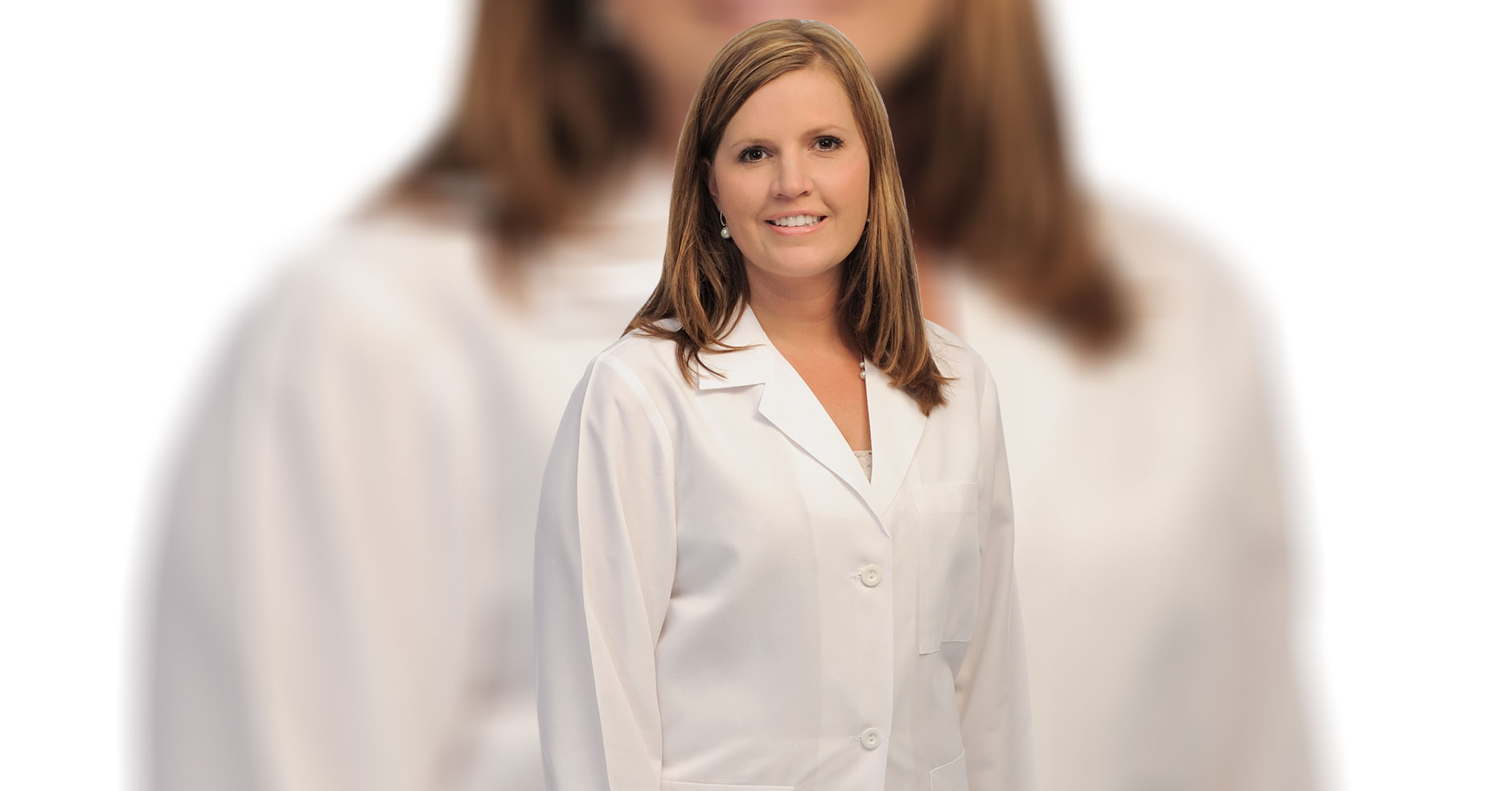
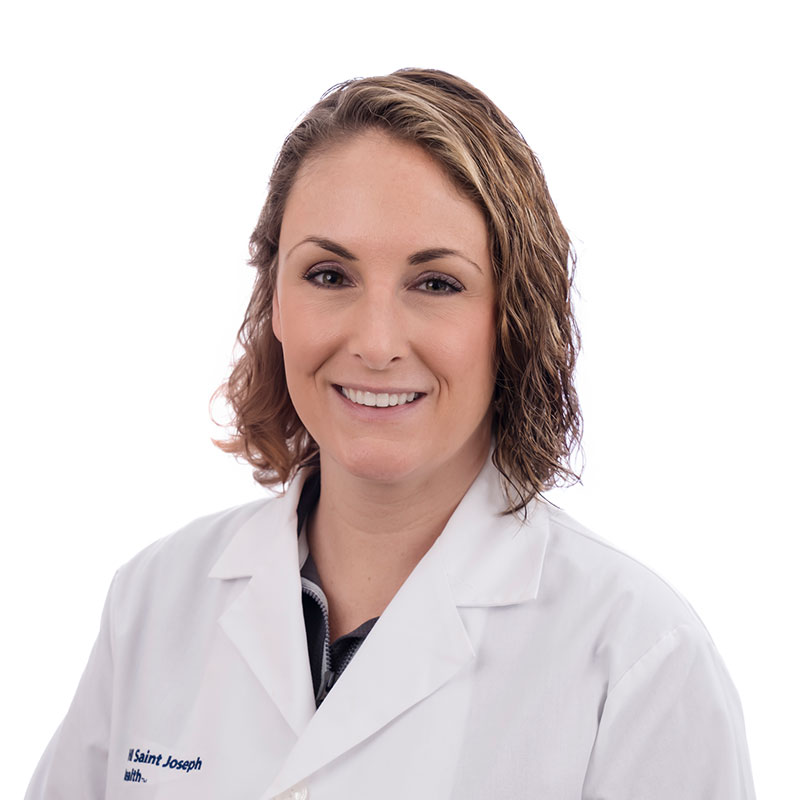
At Saint Joseph Medical Group, neurologist Nicole Everman, MD, is renewing function and hope for those with some of the most complex conditions.

LEXINGTON The trajectory of Nicole Everman, MD’s life shifted with a single college course—neuroanatomy. She grew up in Clay City, Kentucky, graduated high school at Powell County High School, and went to undergrad at the University of Toronto, where she studied forensic science and anthropology. She entered medical school at the University of Kentucky (UK) planning on a career in forensic pathology, but was soon drawn to a future in clinical neurology. “I just fell in love with neurology. Neuroanatomy fascinated me,” she states.
That interest deepened as she worked as an EMT during her training, which gradually reshaped her sense of purpose. This led Everman to complete her neurology residency, also at UK, where she served as chief neurology resident.
Today, Everman has taken on the role of medical director at the MS Multidisciplinary Center at Saint Joseph Health, a member of Commonspirit Health, and practices at Saint Joseph Medical Group-Neurology in Lexington where she sees a broad range of neurological disease in patients ranging in age from adolescent to geriatric. Although neuroimmunology remains her central passion, she maintains a full general neurology practice, treating seizures, dementia, Parkinson’s disease, neuropathy, stroke, movement disorders, myasthenia gravis, chronic inflammatory demyelinating polyneuropathy (CIDP), and headache disorders. “I still do general neurology, even though neuroimmunology is one of my passions,” she explains, emphasizing that breadth strengthens her ability to approach complex multisystem cases.
Her chosen clinical focus is on neuroimmunology—conditions in which the immune system drives neurological injury. She defines this further: “Neuroimmunology includes diseases like multiple sclerosis as well as other diseases such as myasthenia gravis and CIPD—conditions where the immune system is causing the neurologic disease. That’s one of my passions.” To remain current, she attends national conferences, participates in case-based learning with colleagues across the country, and has served as a principal investigator in phase IV clinical trials, including a study examining patient response to Briumvi, an intravenous infusion medication used to treat relapsing forms of multiple sclerosis (MS) in adults.
Crossing Miles for an Accurate Diagnosis
As medical director of the MS Center, Everman oversees a program designed to integrate the many elements required for high-quality MS care. The center includes advanced neuroimaging, electroencephalogram (EEG) and electromyography (EMG) capabilities, an infusion suite, and coordinated access to physical therapy, neuropsychology, and rehabilitation services. Patients travel from across Kentucky—and from Tennessee, Virginia, and Ohio—to seek care from the center’s team of three neurologists and four advanced practice providers. The volume is significant, with Everman personally seeing more than eighty patients per week. She states, “We see patients from the moment the door opens to the moment it closes.”
Many of these patients arrive due to wordof-mouth. Everman says, “It is very rewarding when people come and say, ‘So and so told me about you and said that I needed to drive
and travel and see you, because they know I would get great care here.’ I think as a provider, there’s no better compliment.”
“I work with a big team, there are other doctors in the office, Dr. Alam Khan and Dr. Amjad Bukhari serve Lexington and London, but the nurse practitioners and PAs work with me. We really see every neurologic disease,” says Everman.
Given the number of patients seeking second or third opinions, Everman devotes substantial time to reviewing prior records, clarifying diagnoses, and streamlining workups. She views the first visit as a critical period for organization and clinical reasoning to localize exactly where the disease state lies: “So the first visit is really just about collecting all that information and trying to make sure you know what’s been done, but also try to classify.”
She also emphasizes the importance of recognizing that neurological disorders extend beyond the brain. “A lot of people think neurologists just treat the brain, but we don’t. Neurologists are not only doctors of the brain and the spinal cord, which is your central nervous system; they’re the doctors of your nerves and muscles too, which is your peripheral nervous system.” This understanding is especially critical for neuro-immunologic diseases that often present subtly and require careful synthesis of clinical history, examination, and testing.
Even with Evolving Therapies, Lifestyle Matters
Everman is candid about the rapidly evolving landscape of MS and neuroimmunology treatments and the responsibility that comes with it. From the first oral MS medication available when she finished training to nearly thirty therapies today, progress is continuous—and demands an equally forward-looking approach. “There are breakthroughs every day in medicine, which is fantastic,” she notes, reflecting on advances including newly approved myasthenia gravis therapies and, more recently, the first dementia infusion aimed at amyloid reduction. But new therapeutics also require confidence and appropriate risk management.
“I think one of the saddest parts with MS is the doctor not being aggressive enough because the drugs are complicated and risky. But if you’re not aggressive enough, those patients are losing brain control.” — Nicole Everman, MD
But new therapeutics also require confidence and appropriate risk management. “I think one of the saddest parts with MS is the doctor not being aggressive enough because the drugs are complicated and risky. But if you’re not aggressive enough, those patients are losing brain control.”
For her, early intervention and sustained monitoring are essential components of preventing long-term disability. To that end, her team frequently collaborates with physical therapists to help patients maintain function and mobility across the disease course.
While pharmacologic treatment is essential, Everman underscores that neurological health is inseparable from overall wellness. Kentucky’s high prevalence of cardiovascular disease, diabetes, smoking, and vitamin deficiencies makes lifestyle counseling a routine—and indispensable—part of her practice. In addition, her team routinely screens for other risk factors to determine if there is an increased chance for developing certain conditions. She uses dementia as an example: “We know if patients have high blood pressure and uncontrolled diabetes, they’re at a higher risk of dementia.”
Realizing this connection, her philosophy of care incorporates a holistic approach. “I’m a big believer that a healthy lifestyle and exercise is the cheapest and most effective therapy and preventative medicine,” Everman states.
The Reward Is in the Results
Among the many patients she has treated, one individual—with a very rare autoimmune condition that affects the muscles and nerves—remains especially meaningful to Everman. Early in her career, a rapidly declining young man presented for treatment, barely able to walk. At the time he had an infant daughter and was understandably worried about his future. Everman recognized the signs of the condition quickly, initiated the appropriate treatment, and saw him begin to recover strength and stability, allowing him to regain mobility, return to work, and build a life that had once seemed out of reach.
As autoimmune diseases demand, he has regular follow-ups with Everman. His daughter is now fifteen. The family is thriving. For Everman, though this is just one of many instances where quality of life has been saved by appropriate diagnosis and treatment, this case embodies the privilege of long-term neurological care: “I was able to recognize the disease, and I was able to diagnose it and make a difference in his life when he was really scared. But I’ve also been able to watch him and his family grow up together.”