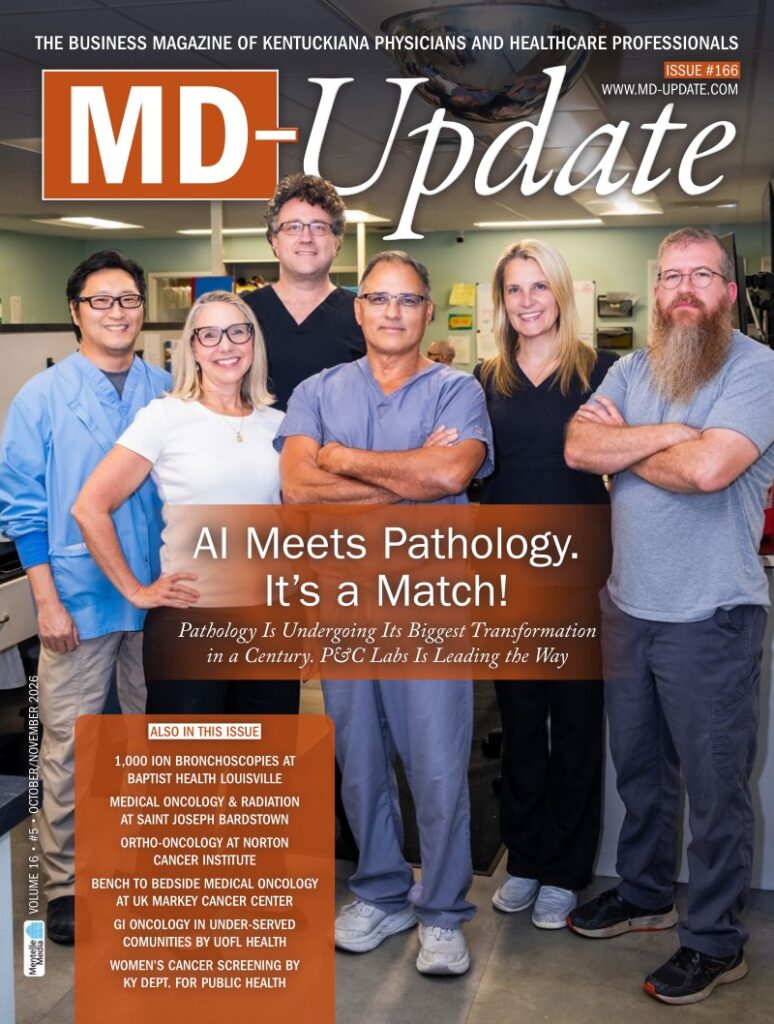
Pathology is undergoing its biggest transformation in a century. P&C Labs is leading the way.
LEXINGTON — For more than 100 years, pathology has changed remarkably little. Tissue was processed into glass slides, examined under a microscope by a pathologist and reported back to the treating physician. While treatments, imaging, and pharmaceuticals advanced rapidly, the practice of pathology remained largely unchanged.
That is no longer the case.
Across the country, pathology is undergoing one of the most significant technological transformations in its history. “Digital pathology, artificial intelligence, and next-generation sequencing are fundamentally changing the amount of information physicians can obtain from a single biopsy,” says Rick Lozano, president of Pathology and Cytology, P&C Labs.
While many health systems continue evaluating these technologies, P&C Labs has already implemented them at multi-site scale, serving hospitals across the region.
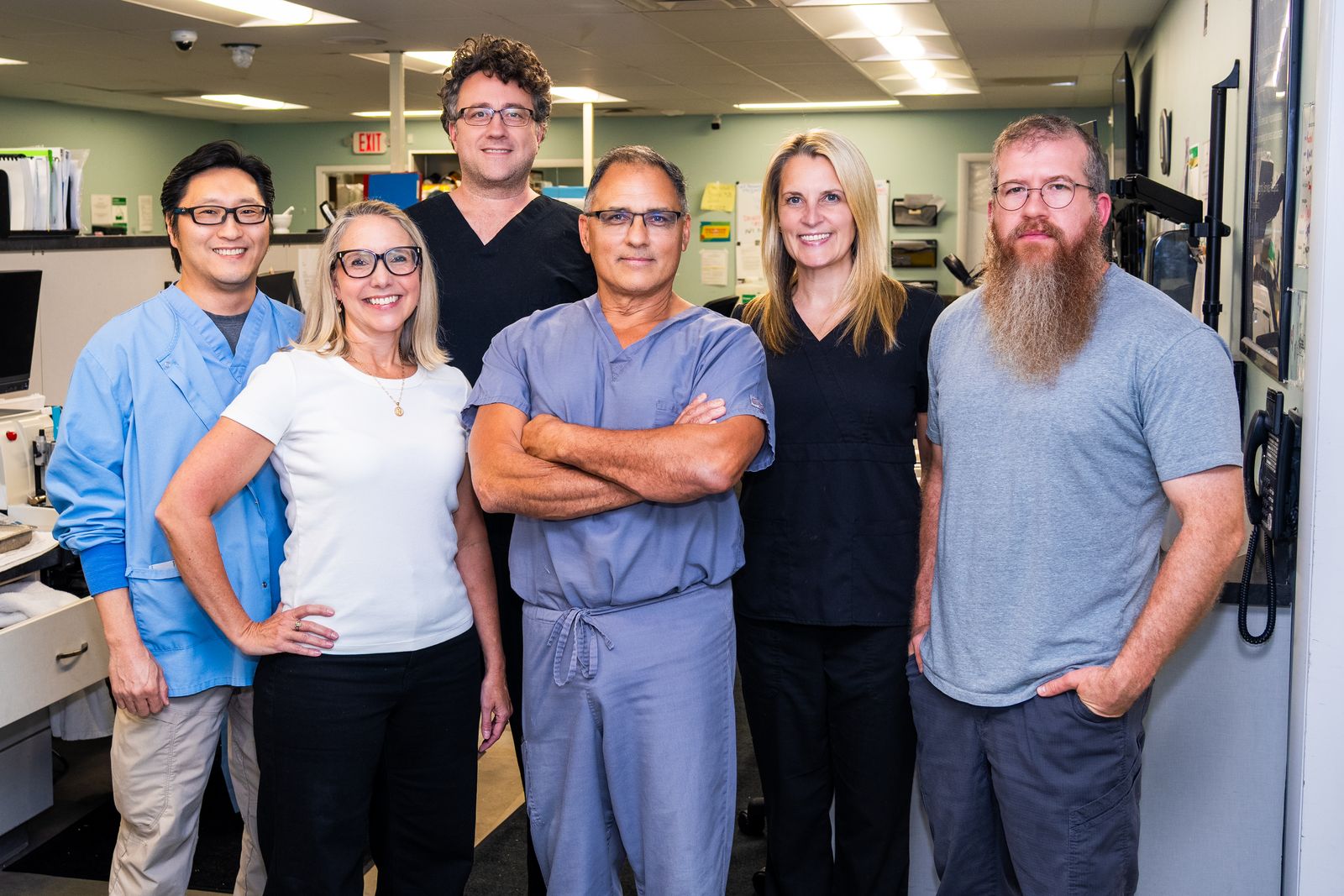
P&C Labs, headquartered in Lexington, has quietly built one of the nation’s most technologically advanced pathology operations, serving 44 hospitals, 19 health departments, five surgery centers and hundreds of physician offices across its hospital and physician network.
For physicians, the question is becoming less whether these technologies will become standard and more whether their current pathology partner already offers them.
A History of Moving First
“P&C Labs has consistently been an early adopter of technologies that have fundamentally changed pathology,” says Lozano.
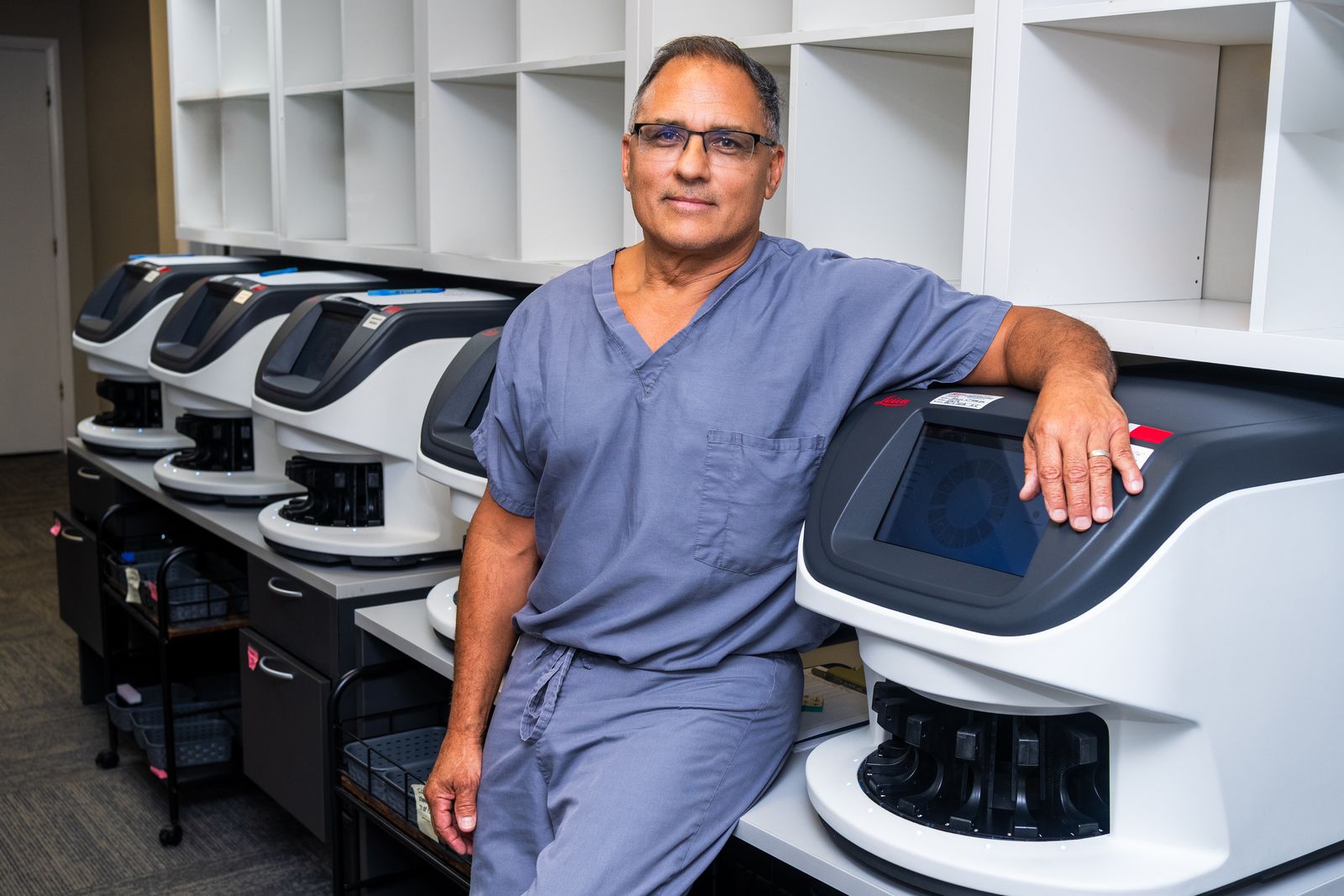
In 2024, P&C Labs became the first pathology laboratory in Kentucky to transition to a fully digital pathology workflow. That same year, it became the first laboratory in the state to deploy FDA-authorized artificial intelligence for women’s cancer screening.
“Those investments laid the foundation for what followed,” says Lozano.
By 2026, P&C Labs had expanded artificial intelligence beyond cervical cancer screening by implementing AI-assisted diagnostic tools across virtually all cancer types through its digital pathology platform. The laboratory also integrated AI diagnostics, AI prognostics, and rapid next-generation sequencing into a unified clinical workflow.
While many laboratories continue discussing digital transformation, P&C Labs has already incorporated these technologies into routine patient care. “We didn’t treat digital and AI as an IT project. The partners sat down and asked a simpler question: ‘If geography stopped organizing our work, what rules and investments would make care better for every hospital we support?’ Once we agreed on that, the scanners and the AI followed,” says Lozano.
Why Digital Pathology Matters
Digital pathology is often described as replacing the microscope with a computer screen, but that description dramatically understates its impact.
Instead of shipping glass slides from one specialist to another, digital pathology allows high-resolution images to be reviewed instantly by pathologists with the most appropriate expertise.
“Our group covers the bread-and-butter surgical pathology that community and rural hospitals we serve need every day, and we can route complex cases — breast, GI, GU, derm, heme, cytology — to the pathologist with the right focus without waiting on a courier. Digital didn’t create that expertise; it made it available the same day,” says Brad Gibson, MD, P&C Labs member.
For community and rural hospitals, this capability is particularly valuable. Patients no longer need to live near a large academic medical center to benefit from advanced pathology expertise. Through digital pathology, P&C Labs extends subspecialty consultation across its multi-hospital network while allowing patients to remain within their local healthcare systems.
“Most of our hospital partners aren’t academic medical centers. They’re community and rural systems that still need subspecialty-quality pathology. Digital lets us keep the patient in their local hospital while the right pathologist — wherever they are in our network — reads the case,” says Jason Clark, MD, P&C Labs president.
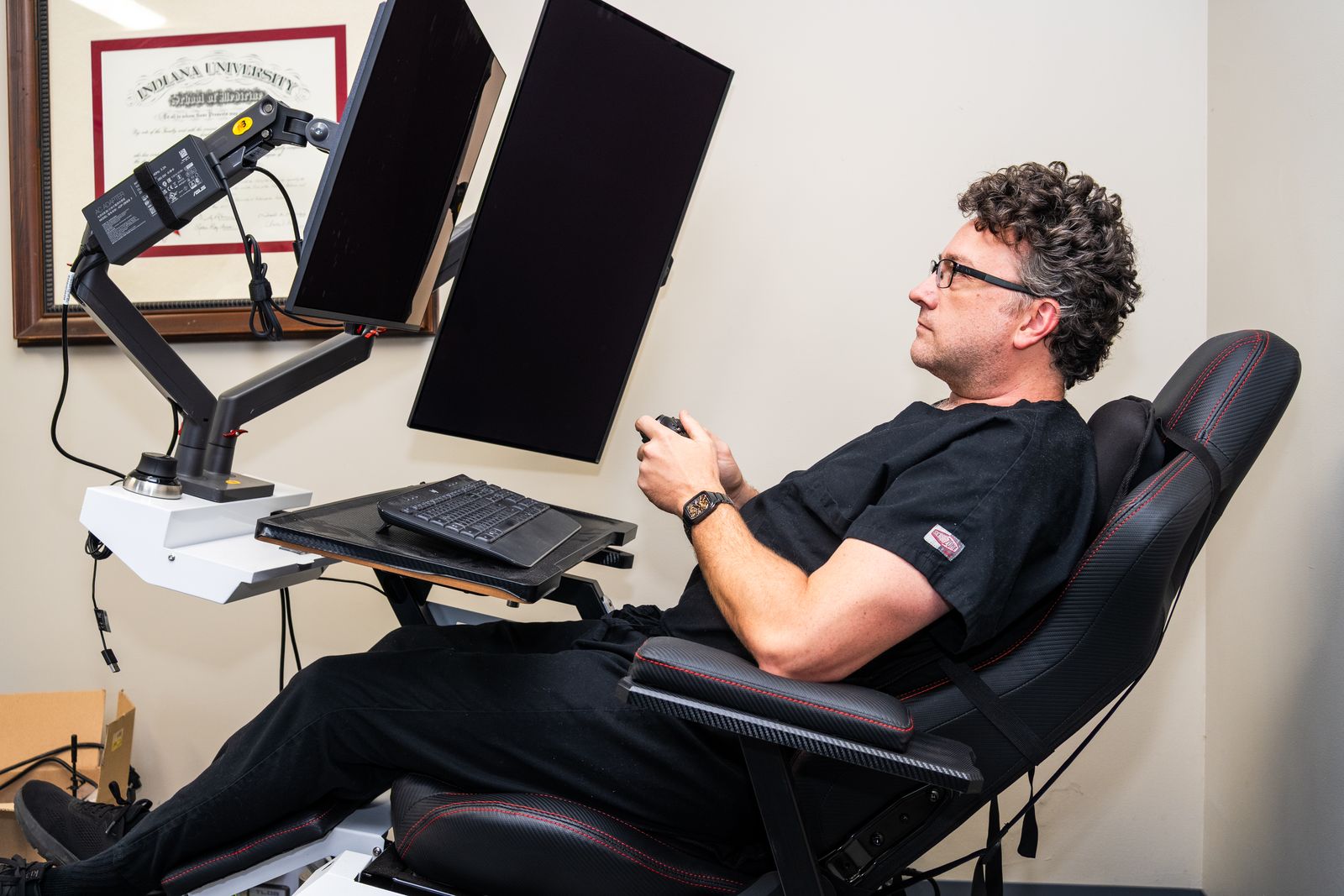
Digital pathology also serves as the foundation for artificial intelligence.
Without fully digital slides, AI cannot analyze pathology images. “Step one was a fully digital workflow across our network. Step two was FDA-authorized AI for women’s cancer screening. Step three was folding diagnostic and prognostic AI into the same platform across cancer types, with molecular testing in the same clinical stream. We didn’t bolt AI onto glass — we built the digital foundation first,” says Lozano.
AI Provides More Information—Doesn’t Replace Physicians
Artificial intelligence has generated considerable attention throughout medicine, but “Pathology may be one of the specialties where it offers the greatest immediate clinical value,” says Lozano.
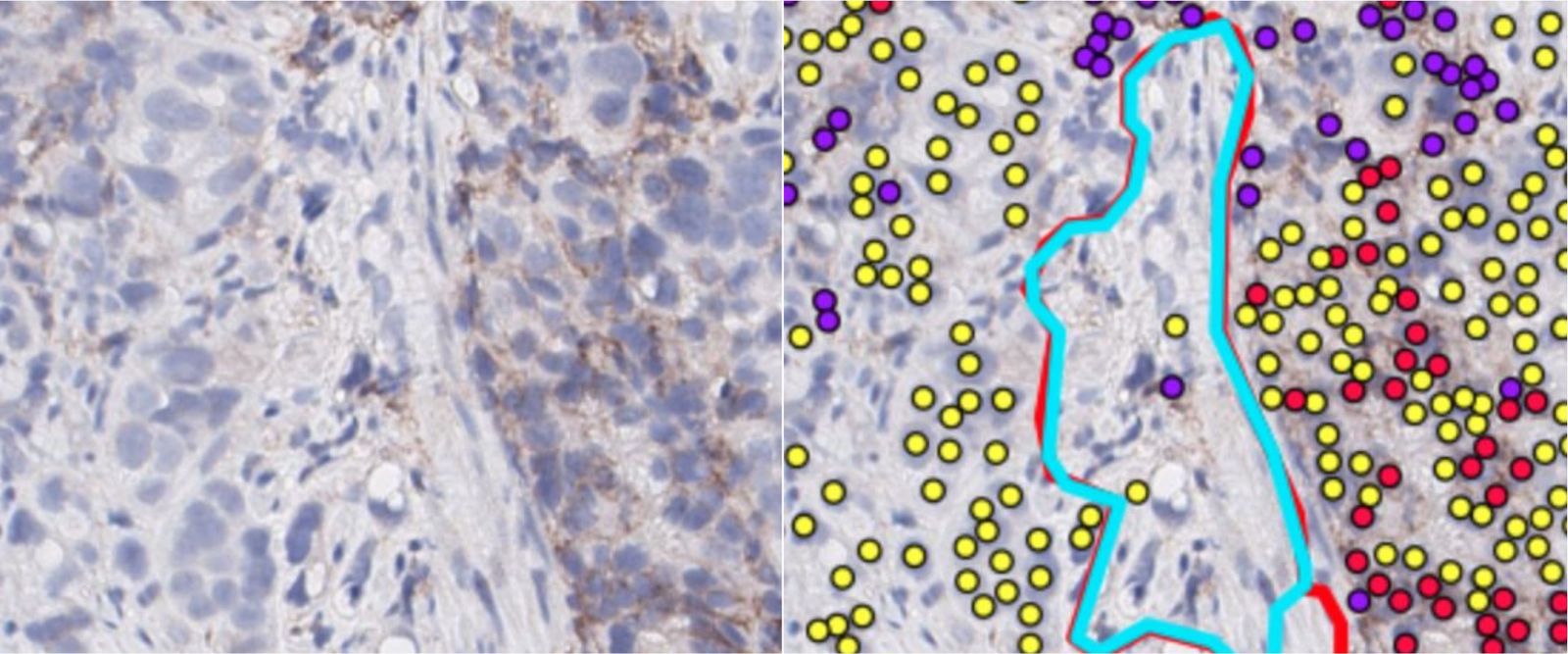
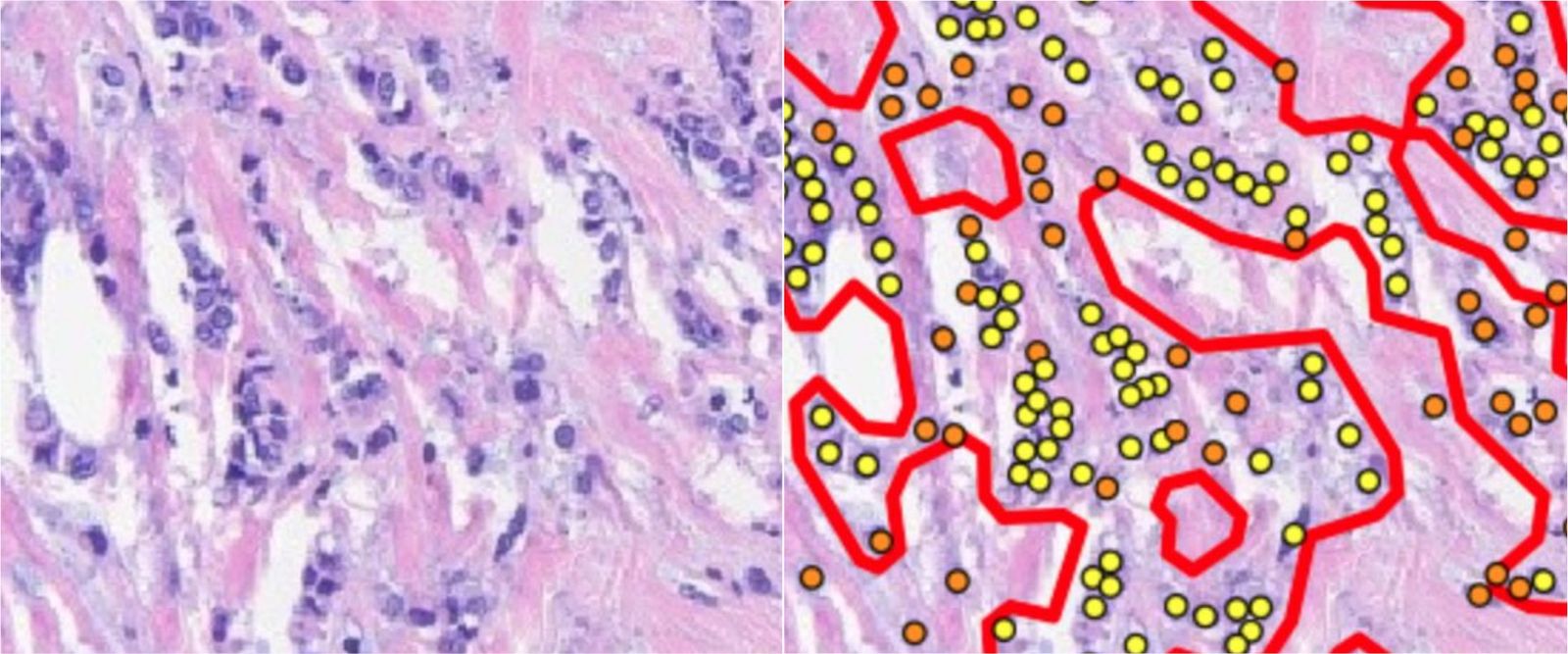
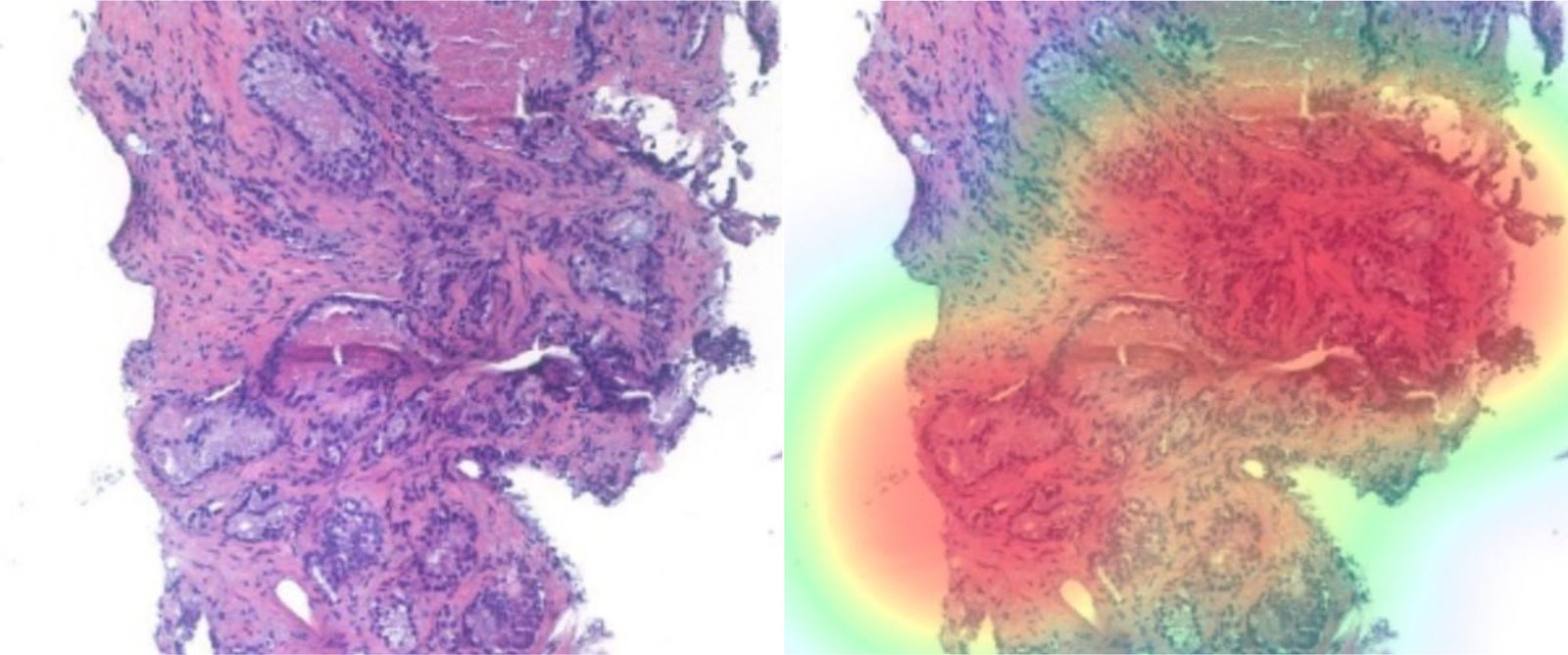
Rather than replacing pathologists, AI helps identify subtle patterns, quantify biomarkers, and provide highly consistent analyses that complement physician expertise. “AI is excellent at consistency and finding patterns humans can miss when volume is high. It is not the pathologist of record. Every final diagnosis still has a physician’s name on it — and that person is still who the clinician calls,” says Gibson.
P&C Labs has incorporated both diagnostic AI and prognostic AI into its pathology platform.
Diagnostic AI assists pathologists during case review.
Prognostic AI adds another layer of information by identifying image-based characteristics associated with disease behavior, recurrence risk and treatment response.
Importantly, the pathologist remains responsible for every final diagnosis.
The role of AI is to provide physicians with additional clinically relevant information—not to replace clinical judgment.
Molecular Testing Is Now Part of Routine Cancer Care
“The pathology report itself has also evolved,” says Lozano.
Increasingly, oncologists require molecular information to identify targeted therapies and determine eligibility for precision medicine and clinical trials.
To meet those needs, P&C Labs developed rapid next-generation sequencing panels for both solid tumors and hematologic malignancies.
These focused panels identify clinically significant genetic alterations while providing results quickly enough to support real-time treatment planning.
Because molecular testing is integrated directly into the pathology workflow, physicians receive coordinated diagnostic and genomic information without the delays that often accompany fragmented testing models.
“Oncologists increasingly need the diagnosis and the genomic answer in one coordinated report, not weeks later from a separate lab. Our rapid NGS panels for solid tumors and hematologic malignancies are built for that. AI is already supporting review across a wide range of cancer types; next is tightening turnaround and expanding prognostic tools so treatment decisions happen with more information, earlier,” says Gibson.
For many patients, that also means earlier identification of potential clinical trial opportunities.
A Resource for Community and Rural Systems
Rural communities and regions — including Kentucky — continue to face some of the nation’s highest cancer incidence and mortality rates.
Improving outcomes will require more than new drugs. It will require ensuring that every patient has access to advanced diagnostics capable of identifying the right disease, the right biomarkers, and the right treatment options.
“P&C Labs has built its network with that objective in mind,” says Lozano.
As stated, P&C Labs currently supports 44 hospitals, 19 health departments, five surgery centers and hundreds of physician offices. Its digital infrastructure allows advanced pathology expertise to reach communities that historically had limited access to subspecialty services.
The result is that hospitals can offer sophisticated diagnostic capabilities while allowing patients to remain closer to home. “We’ve already built a multi-hospital footprint — hospitals, health departments, surgery centers, and physician offices. The next chapter isn’t novelty for its own sake; it’s making sure every community we serve gets the same advanced diagnostics, and being ready where rural and community markets still have gaps,” says Clark.
Looking Ahead
The practice of pathology is changing rapidly.
Digital pathology, artificial intelligence, and molecular diagnostics are no longer experimental technologies. They are becoming essential components of modern cancer care.
P&C Labs has demonstrated that these technologies can be successfully integrated into routine clinical practice at scale, making advanced diagnostics available to community and rural hospitals rather than limiting them to major academic medical centers.
For hospital executives and physician leaders, the broader question is no longer whether pathology will evolve. It is whether their current pathology partner is evolving with it.
“I was on a hospital technology panel where the conversation kept circling whether AI was ‘coming’ to medicine. I told them the truth: in pathology, AI isn’t coming — it’s already in production on real patients’ cases. The question for health systems is whether their pathology partner is using it,” says Lozano.
As healthcare organizations continue investing in precision medicine and personalized oncology, access to advanced pathology capabilities may become one of the defining factors in delivering the next generation of cancer care.
“Our vision is simple: A patient in a community or rural hospital shouldn’t have to leave their community to get world-class pathology. Digital, AI, and molecular testing only matter if they show up in the report the treating physician uses to decide what happens next,” says Lozano.