
What Kentucky physicians need to know before the 2026 General Assembly
FRANKFORT As Kentucky physicians prepare for the new year, elected officials are gearing up for another legislative session in Frankfort—and so is the Kentucky Medical Association (KMA). The General Assembly will convene on January 6, and healthcare will once again dominate the agenda. The KMA has been actively engaging with lawmakers, state agencies, and healthcare partners to ensure the physician perspective is front and center.
Expected Issues in 2026
Reducing administrative hurdles—especially prior authorization—remains a top priority for physicians. Delays, denials, and excessive documentation continue to interfere with timely patient care, often forcing patients to wait for medically necessary treatments or procedures. KMA has spent several years working to increase transparency, streamline requirements, and to reduce the number of prior authorizations required. Those efforts will continue as KMA advocates for reforms that return physicians’ time and attention to where it belongs: caring for patients.
Public health will also be in the spotlight. KMA will continue promoting initiatives that ensure major health decisions are guided by sound science, clinical expertise, and data-driven policy. These efforts help Kentuckians stay healthy and reduce longterm healthcare costs. With public health challenges constantly evolving, Kentucky must remain prepared with policies that protect community well-being and promote healthier lifestyles.
Physician wellness is another core concern. A strong healthcare system depends on a strong workforce, and today’s physicians face unprecedented demands that affect their mental and physical well-being. KMA will remain a strong voice for programs and policies
that create healthier practice environments, reduce unnecessary stressors, and support the well-being of those who care for others. Ensuring physicians can receive help without stigma is essential to sustaining access and quality across the Commonwealth.
Scope of practice will again be a key area of debate, driven by continued efforts to expand the autonomy of non-physician providers. KMA values the contributions of all members of the care team. However, physicians’ extensive education and clinical training uniquely prepare them to lead diagnosis and treatment, especially for patients with complex medical needs. Any changes must include clear guardrails that preserve physician-led oversight, maintain accountability, and ensure expanding access never comes at the cost of quality or patient safety.
Small STEPS, Big Impact
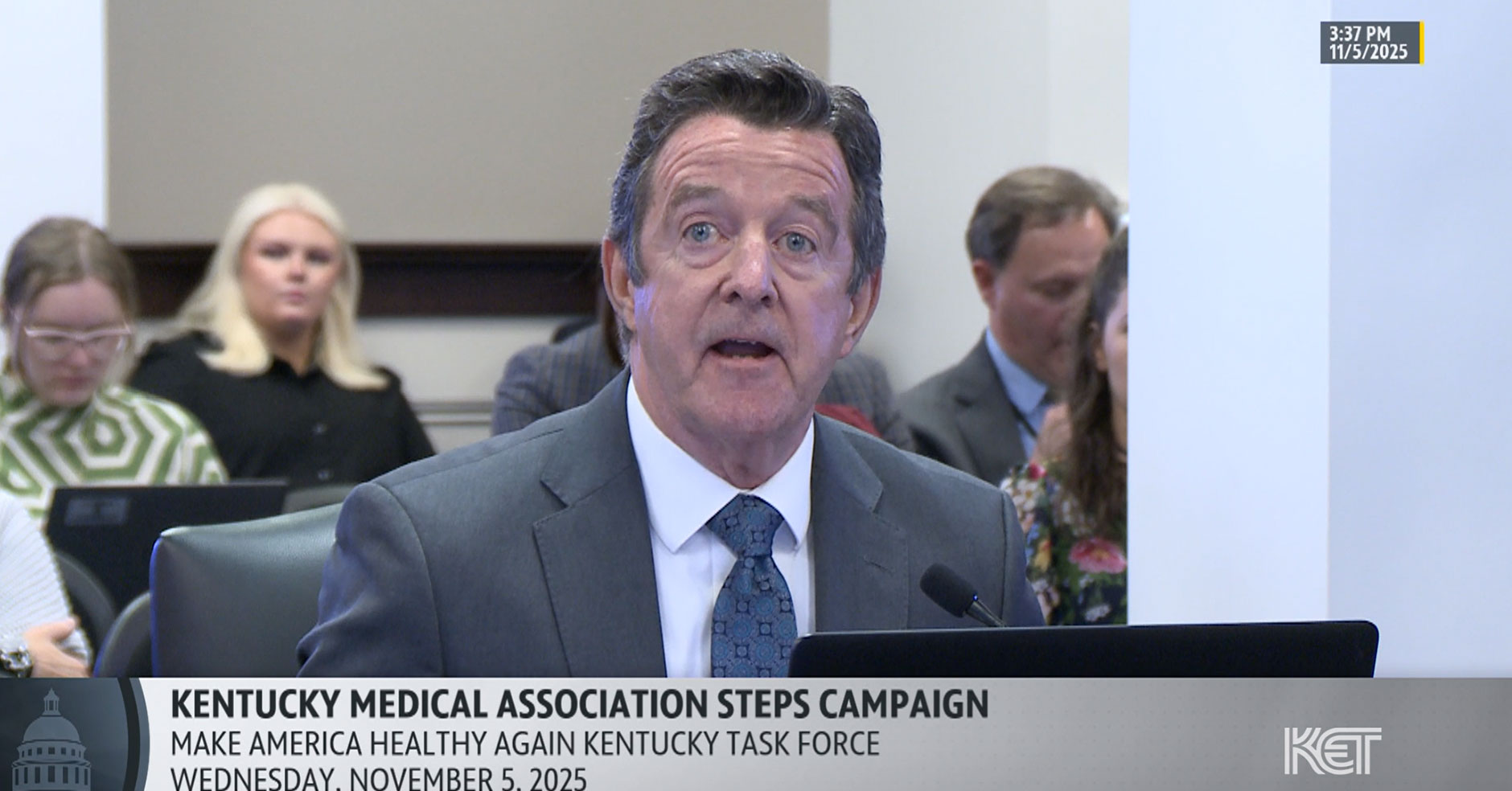
KMA is proud of one of the most visible examples of physician leadership: its Small STEPS, Big Impact campaign. This two-year initiative, in partnership with the Kentucky Foundation for Medical Care (KFMC), encourages Kentuckians to make small, meaningful lifestyle changes that can add up to a big improvement in their overall health. The program focuses on five key areas—Screenings, Tobacco use, Exercise and Nutrition, Physician visits, and Stress—and has already reached millions of Kentuckians. In November, KFMC President Shawn Jones, MD, testified before the Make American Healthy Again (MAHA) Kentucky Task Force on the success of the campaign so far. Efforts like Small STEPS, Big Impact improve the health of our communities and reinforce the essential role of physicians as trusted leaders in care.
The 2026 legislative session will present challenges and opportunities. It will require a coordinated advocacy strategy and active engagement from physicians across specialties. KMA stands ready to lead that effort. As the debates unfold, one thing is clear: when physicians speak with a unified voice, the Commonwealth is better served. And with the leadership of thousands of KMA members, Kentucky’s patients will continue to receive the highest standard of care, no matter what changes lie ahead.